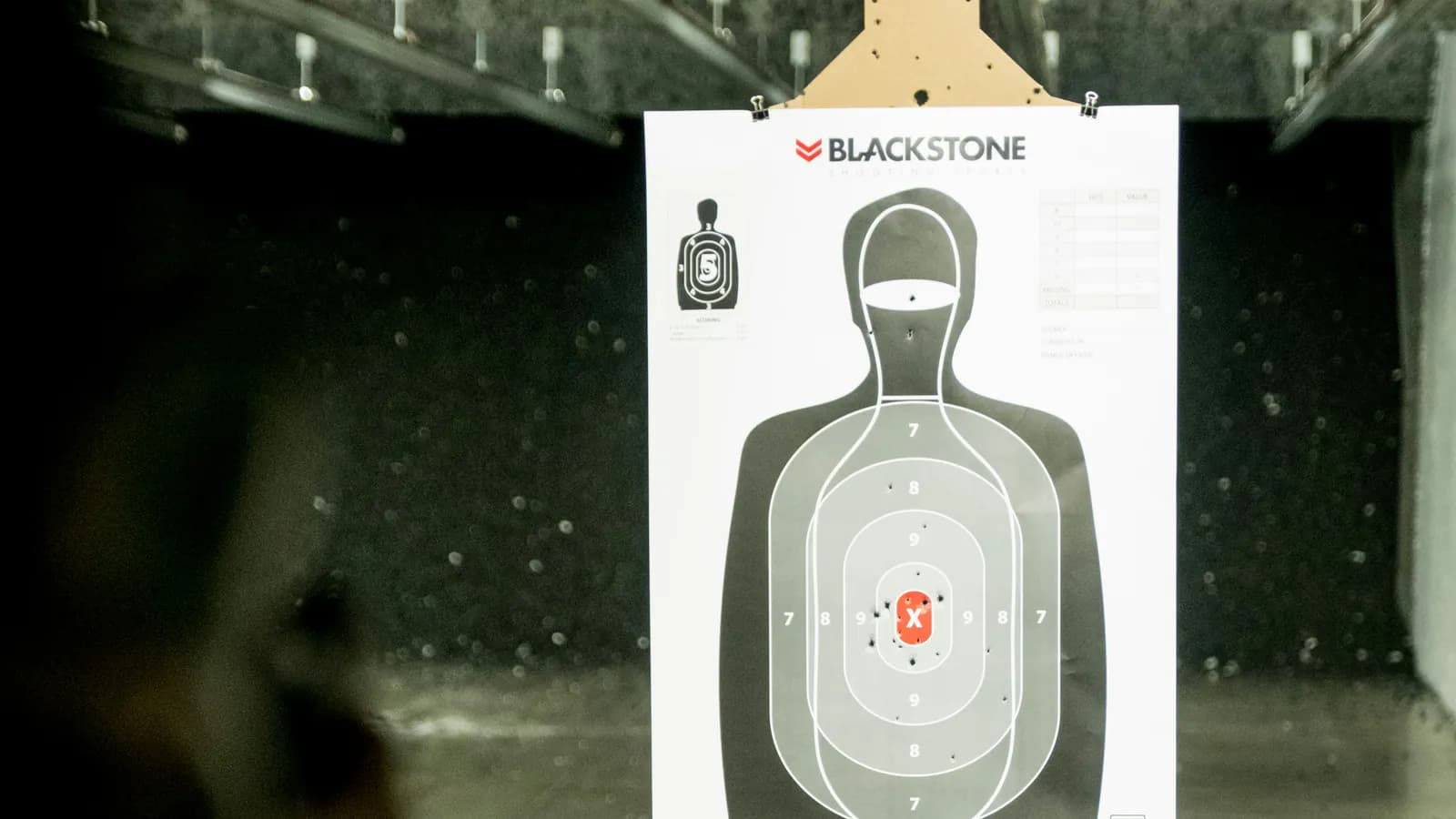
Zeroing
Zeroing Distances Explained: 10, 25, 36, 50, and 100 Yards
A reference on which zero distance to pick, for pistols and rifles. What each one is for, where the bullet crosses, who it suits, and how each one fails.
Read the article
Age verification
Outlaw Valley Tactical sells optics and accessories intended for adults. You must confirm that you are 18 or older to enter this site.
By entering you agree to our Terms of Service and Privacy Policy.
NEW PRODUCTS ADDED!
Quoted runtimes are close to meaningless on their own, and shake awake is not a replacement for a calendar reminder. Here is what to actually pay attention to.
Every red dot box has a big number on it. Fifty thousand hours. Eighty thousand hours. Five years of continuous use. Those numbers are not exactly lies, but on their own they tell you almost nothing, and treating them as a spec you can compare across brands is how people end up with a dark optic at the worst possible time.
Here is what the numbers actually mean, what shake awake does and does not do, and the boring habit that solves the whole problem better than any feature on the box.
A red dot draws current to light an emitter. How much current depends almost entirely on how bright you have set it. The difference between the lowest usable daytime setting and full daylight bright is not a few percent, it is often an order of magnitude or more.
So a quoted 50,000 hours is a measurement taken at one specific setting, usually somewhere in the middle of the range, sometimes lower. Run the same optic pinned at maximum brightness because you shoot outdoors in Arizona sun and the real runtime can collapse to a small fraction of the headline figure.
What to look for instead:
The honest version of a runtime spec is: with a fresh quality cell, at a moderate setting, at room temperature, in a lab. Your rifle is not in a lab.
There is no best cell. There is the cell your optic takes, and the question of whether you can buy it easily wherever you are. That last point is a legitimate tiebreaker when two optics are otherwise close.
This is the specification almost nobody looks at, and it is one of the few that changes what your day looks like.
Bottom load. The battery compartment is underneath the optic, between it and the mount. To change the cell you have to take the optic off the rifle. That means breaking torque on your mount hardware, removing the optic, swapping the cell, remounting, torquing to spec, and then confirming your zero, because a removed optic is an unconfirmed zero. A good quick detach mount usually returns close, but close is not confirmed. What should have been a one minute job becomes a range trip.
Top load or side load. The tray is accessible with the optic still bolted down. Unscrew a cap, swap the cell, screw it back, and the zero has not been touched. Thirty seconds, in the dark, in the field, with no tools beyond a coin.
If two optics are otherwise comparable, take the one with the accessible tray. It is not a luxury feature, it removes the main reason people put off changing a battery, which is the real cause of dead optics.
The short version
Ignore the headline runtime unless it comes with a brightness setting. Prefer an optic you can change the cell on without removing it. Then put a yearly reminder on your calendar and change the battery whether it needs it or not.
Shake awake, motion activation, and whatever a given brand calls it are all the same idea: an accelerometer watches for movement. Sit still for a set period, commonly a few minutes to a few hours depending on the model, and the emitter shuts off. Pick the rifle up and it lights instantly.
The benefit is real. The optic is effectively always on from your point of view, and it is drawing almost no current for the ninety nine percent of its life that it spends in a safe or a case. That is where the very long real world battery lives come from, more than from any efficiency gain in the emitter.
Where it goes wrong:
Shake awake is a good feature. It is not a reason to skip maintenance, and it is not a substitute for knowing how old your battery is.
Optics
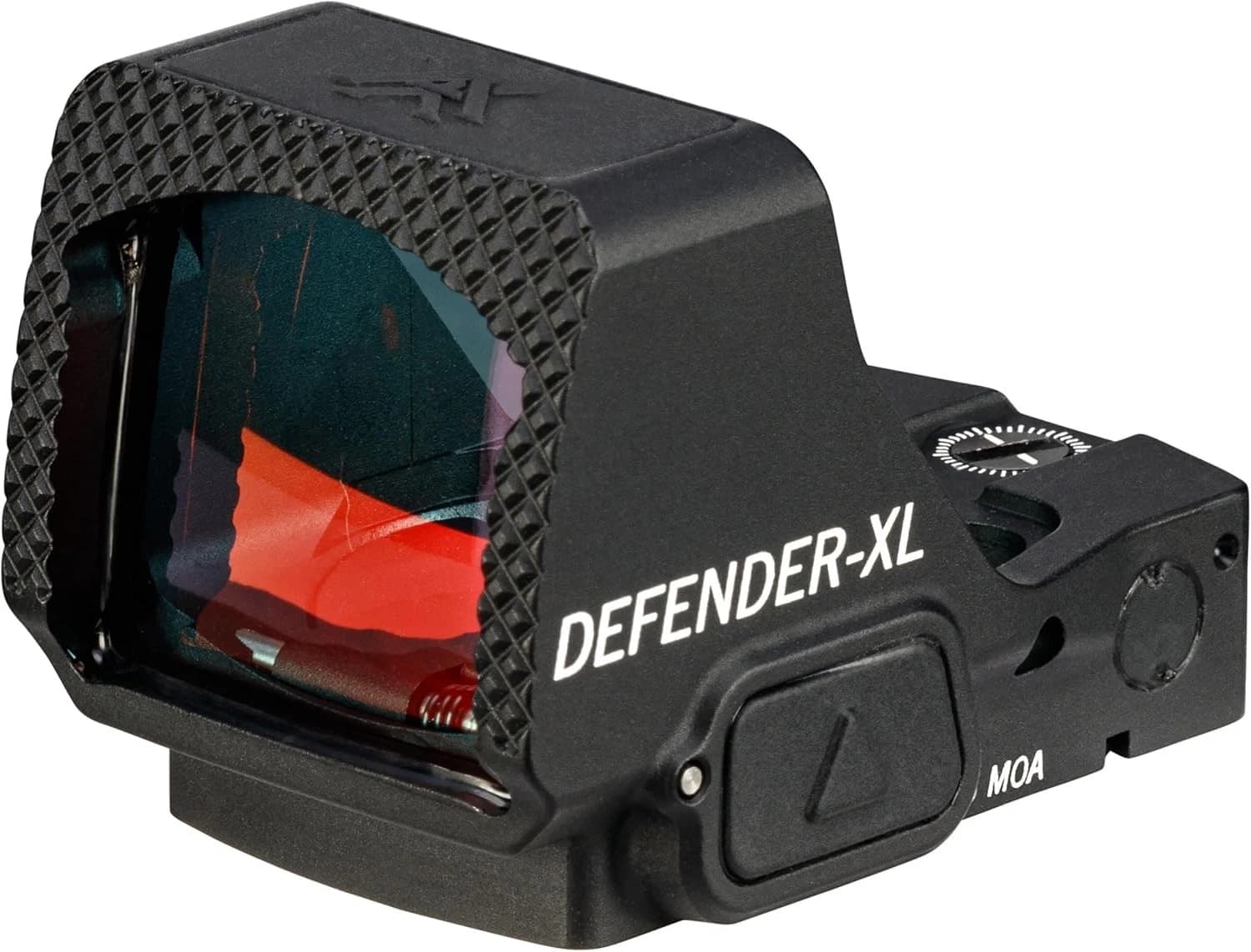
Vortex Optics Defender-XL 8 MOA Red Dot Sight Shake Awake
$319.99
Some optics add a small photovoltaic panel on top. In bright light the panel supplies part or all of the current, and the cell only carries the load indoors or at night. On the best implementations the optic will still show a usable daylight dot with a completely dead battery, as long as the sun is out.
In Arizona that is a genuinely useful feature for most of the year. The caveats are that panels want a clear top, so a cover, a magnifier body, or a rifle stored muzzle up in a dark safe negates the benefit, and that the solar contribution is smallest exactly when you most need brightness at night. It extends battery life and adds a failsafe. It does not remove the need for a working cell.
Cold slows the chemistry inside a battery, which raises internal resistance and drops usable capacity. A coin cell that is fine at 70 degrees can behave like a nearly dead one at 20 degrees, then recover when it warms up. Desert nights and high country hunts both get there.
Lithium primary cells, including CR123A and lithium AA, hold up considerably better in cold than alkaline does. If you shoot in real cold with an AA powered optic, lithium is worth the extra cost. Alkaline cells are also the ones that leak, which is a second reason to avoid leaving them in an optic long term.
Everything above is detail. This is the part that actually keeps an optic running.
Set a recurring reminder, once a year, and change the battery on that date regardless of whether the dot still looks fine. Pick a date you will not forget: a birthday, the start of hunting season, New Year. A coin cell costs a couple of dollars and the reminder costs nothing.
Two more habits worth building in:
Plan for it rather than hoping. The options, in order of usefulness:
Lithium coin cells and CR123A cells have long shelf lives, but they are not immortal and they hate heat. A hot car in a Phoenix summer is the worst storage location available, so keep spares indoors, in their original packaging or a dedicated holder, so the terminals cannot touch anything metal.
Buy from a source with turnover. Cells sitting in a warehouse for three years have already spent some of their life. And if an optic is going into long term storage, particularly one running alkaline AA cells, pull the battery out. A leaked cell can end an optic that would otherwise have lasted decades.
If you are still choosing the optic itself, battery format and tray access belong on your comparison list alongside everything else. Start with red dot vs LPVO for the bigger decision, then browse optics with the tray question in mind.
If you had to pull the optic to change a cell, or you are setting up backup irons for the first time, confirm everything on paper before you trust it. Our guide to how to zero a red dot sight walks through it in about twenty rounds, and spare cells, cases, and cleaning gear are in accessories.
And if you want to practice transitioning to irons when the dot goes dark, that is a drill worth doing with someone watching. Our lessons cover optic setup, zeroing, and failure drills, in person around Phoenix or live online.
Keep reading
A reference on which zero distance to pick, for pistols and rifles. What each one is for, where the bullet crosses, who it suits, and how each one fails.
Read the article
The questions to answer before you spend anything, how the paperwork actually works, what ships to your door versus to a dealer, and what to do in the first month after you buy.
Read the articleThe highest return training available costs nothing and takes ten minutes. Here is the safety protocol that has to come first, then the drills that actually build skill.
Read the article