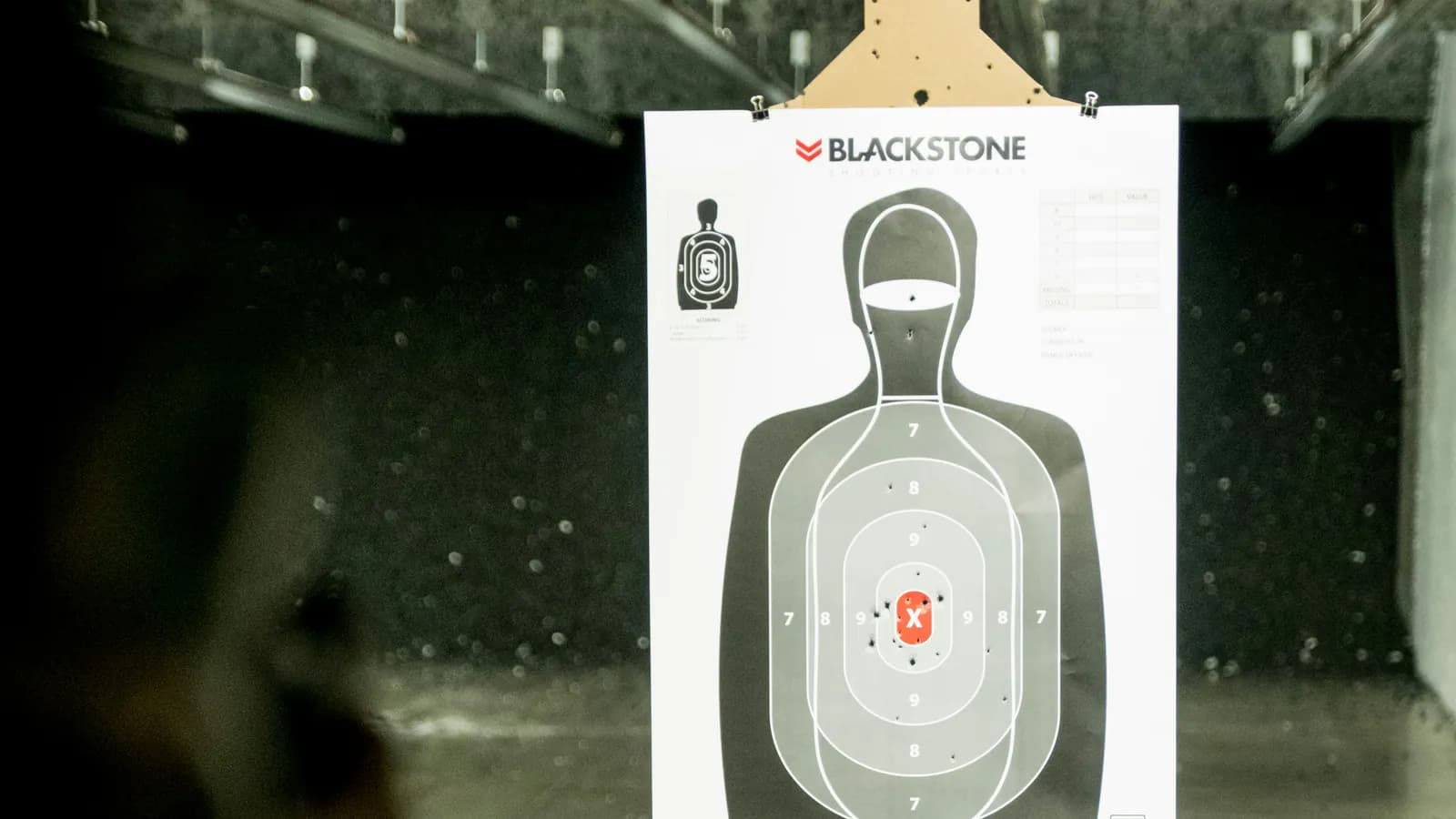
Zeroing
Zeroing Distances Explained: 10, 25, 36, 50, and 100 Yards
A reference on which zero distance to pick, for pistols and rifles. What each one is for, where the bullet crosses, who it suits, and how each one fails.
Read the article
Age verification
Outlaw Valley Tactical sells optics and accessories intended for adults. You must confirm that you are 18 or older to enter this site.
By entering you agree to our Terms of Service and Privacy Policy.
NEW PRODUCTS ADDED!
Both put rounds on target. They do it at different distances, at different speeds, and at very different weights. Here is how to pick without buying twice.
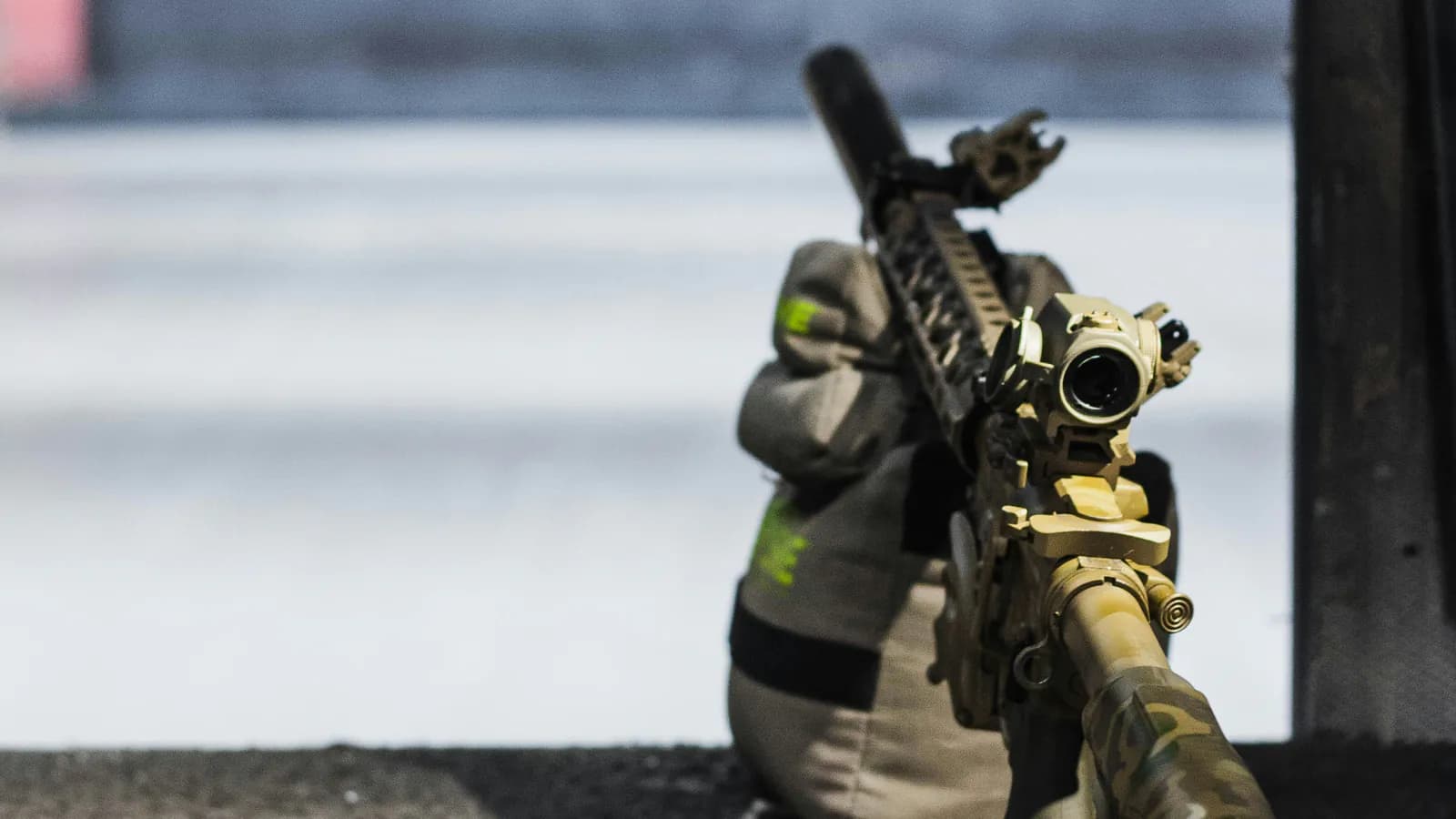
Almost every AR-15 optic question comes down to the same fork in the road: a red dot, or a low power variable optic. A red dot is fast, light, and forgiving. An LPVO sees further and tells you more. Neither one is the right answer on its own, because the right answer depends on what distance you actually shoot at and how much weight you are willing to carry to get there.
Here is the honest version of the tradeoff, without the marketing.
A red dot has no magnification and no eye relief to manage. You put the dot on the target and press. Because the dot floats on the target rather than sitting in a fixed eyepiece, your head can be almost anywhere behind the optic and the shot still goes where the dot is. That is what makes it fast, and it is why a red dot is still the default on a defensive carbine.
The cost is identification. A 2 MOA dot covers about 2 inches at 100 yards and about 8 inches at 400. You can hit a torso sized target at distance with a dot, but you may not be able to tell what you are shooting at, and past 200 yards the dot starts covering the thing you are trying to hit.
Optics
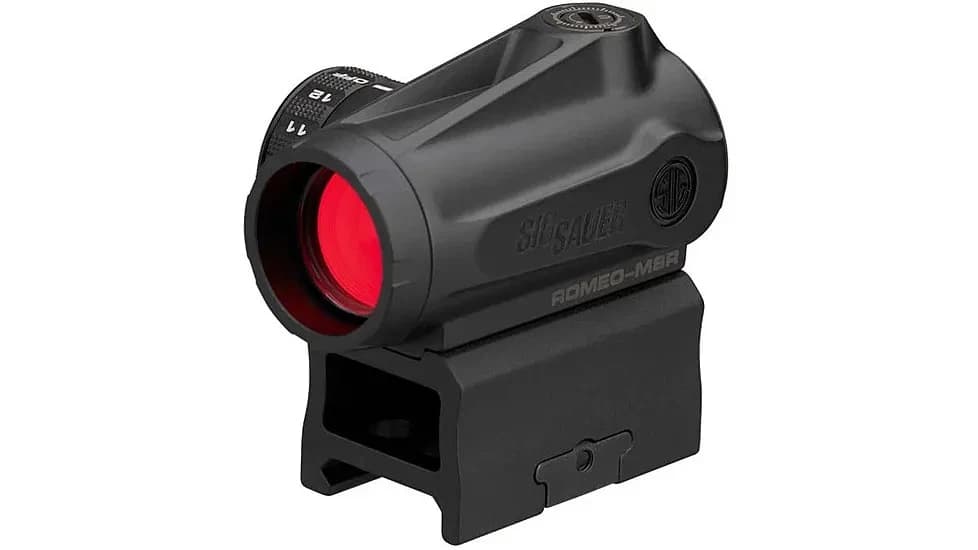
Sig Sauer ROMEO-MSR GEN II 2-MOA Red Dot/3X Micro Magnifier Combo SORJMSR101
$274.99
A low power variable optic is a rifle scope that starts at or near 1x and tops out somewhere between 4x and 10x. At the bottom of its range it behaves roughly like a red dot. At the top it behaves like a scope. That range is the whole point.
The costs are weight, eye box, and money. At 6x or 8x the eye box gets tight, which means your head has to be in a repeatable place or you get a black ring instead of a picture. A quality LPVO also costs several times what a quality micro dot does, and the cheap ones are where people learn that glass quality is real.
Optics
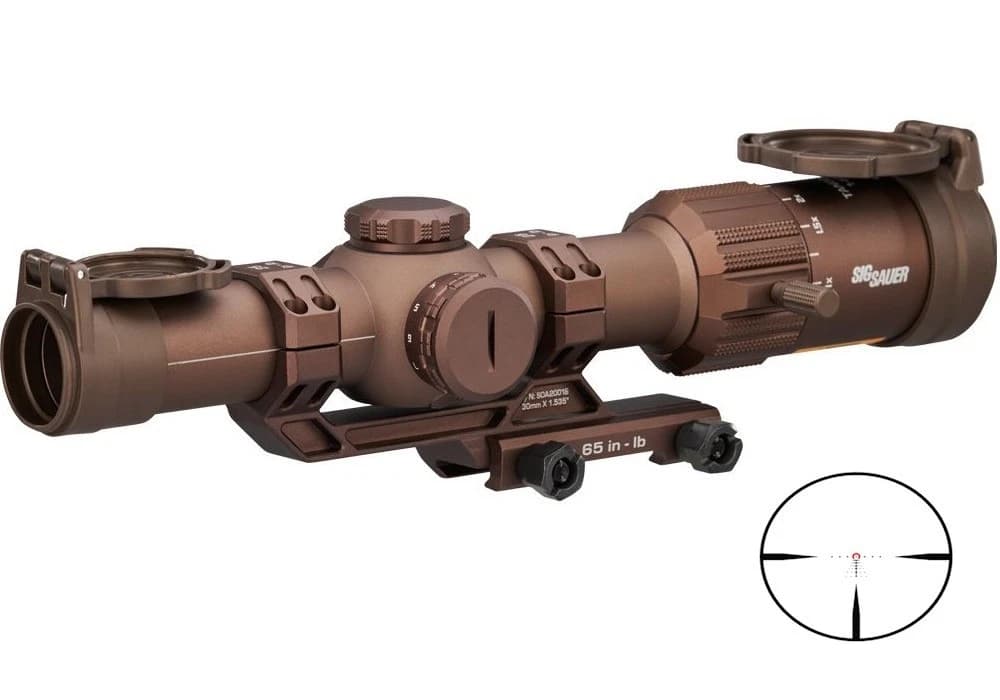
Sig Sauer TANGO-MSR 1-6x24mm Illuminated Red MSR BDC6 Reticle COYOTE – SOTM61200
$299.99
The optic is only part of it. By the time you add a cantilever mount, a throw lever, and a set of caps, an LPVO build gains somewhere between one and one and a half pounds over a micro dot build. Add a weapon light, a sling, and a loaded magazine and you are carrying a very different rifle than the one you picked up in the shop.
If the rifle lives in a safe and comes out on a bench, the weight does not matter. If you are going to carry it, move with it, or shoot it from awkward positions, it matters a lot.
A red dot with a flip to side magnifier behind it gets you 3x or 5x on demand while keeping the dot as the primary. It is a real option and a lot of people run it happily.
What it gives you:
What it costs you:
1. What is the longest shot you actually take? Not the longest shot you could imagine. If the honest answer is under 100 yards, a red dot is enough, and everything else is weight you are carrying for no reason. If you regularly shoot past 200, magnification earns its keep.
2. Do you have to identify before you fire? Home defense, ranch work, and anything where the target might be a person you know changes the calculus. Magnification is an identification tool first and a precision tool second.
3. How much are you going to carry it? A rifle that lives in a truck or gets carried on a hunt punishes every ounce. A rifle that gets shot off a bench does not care.
The most common cause of a rifle that will not hold zero is not the optic. It is the mount, and specifically the torque. Ring caps and mount bolts have manufacturer torque specs for a reason, and a torque wrench is the cheapest accuracy upgrade there is.
Height matters too. Most AR-15 shooters land somewhere between 1.5 and 1.93 inches of mount height, measured from the rail to the center of the optic, depending on whether they want a lower third cowitness with backup irons or a taller, more upright head position. That is not the same as height over bore, which is that figure plus about 1.2 inches and is the number that governs your close range holdover: AR-15 optic mounting height works through both. Pick the height before you pick the mount, not after. Browse the options in mounts.
If you are building your first AR-15 and you are not sure: buy the red dot. It is cheaper, lighter, easier to run well, and it will teach you what you actually need. If you find yourself repeatedly wishing you could see further, you now know exactly what to spend the LPVO money on, and the dot goes onto your next rifle instead of into a drawer.
Then zero it properly. Read how to zero a red dot sight before your next range trip, browse optics, and if you want someone watching over your shoulder while you do it, our lessons cover optic setup and zeroing in person or online.
Keep reading
A reference on which zero distance to pick, for pistols and rifles. What each one is for, where the bullet crosses, who it suits, and how each one fails.
Read the article
The questions to answer before you spend anything, how the paperwork actually works, what ships to your door versus to a dealer, and what to do in the first month after you buy.
Read the articleThe highest return training available costs nothing and takes ten minutes. Here is the safety protocol that has to come first, then the drills that actually build skill.
Read the article