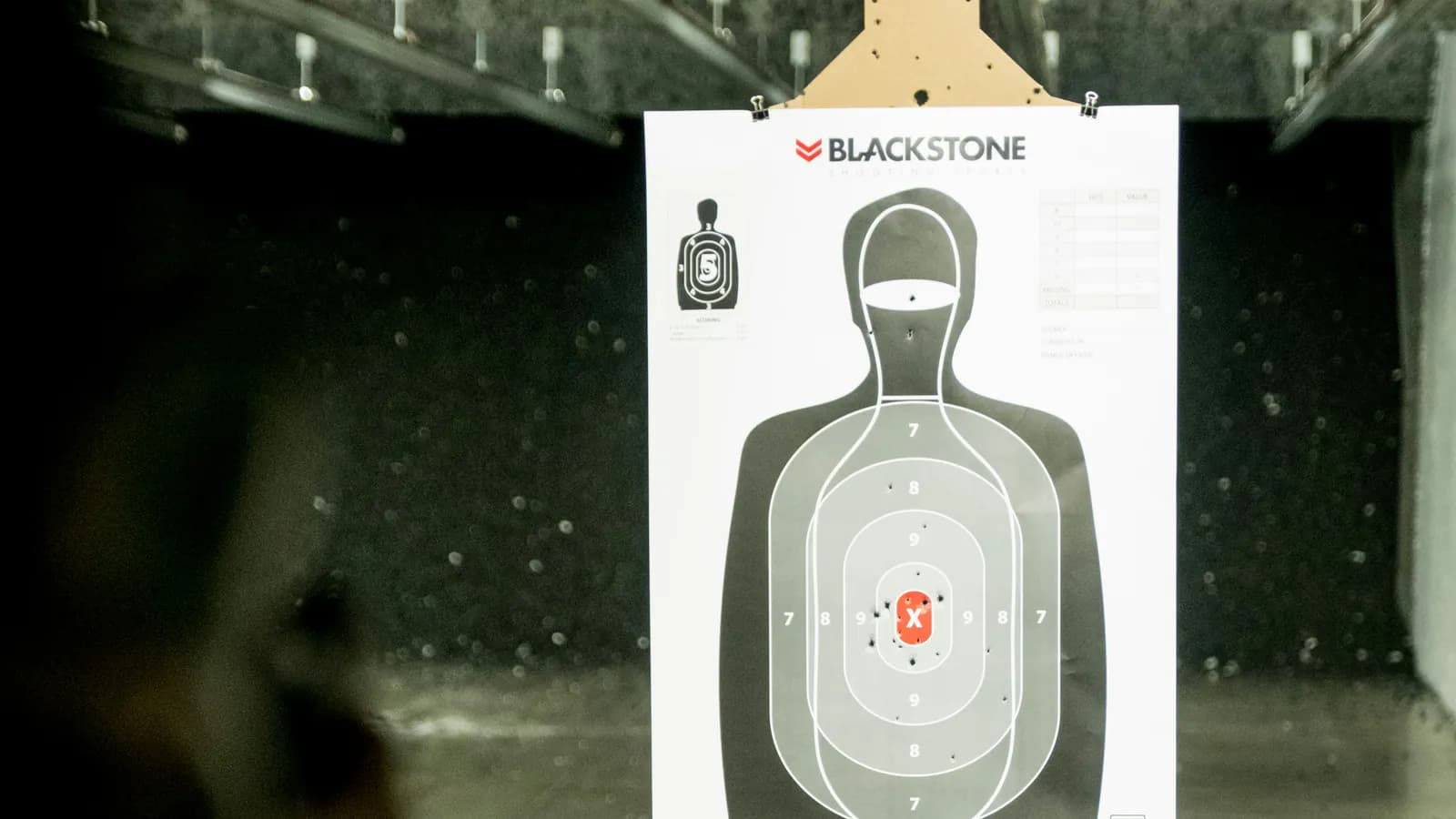
Zeroing
Zeroing Distances Explained: 10, 25, 36, 50, and 100 Yards
A reference on which zero distance to pick, for pistols and rifles. What each one is for, where the bullet crosses, who it suits, and how each one fails.
Read the article
Age verification
Outlaw Valley Tactical sells optics and accessories intended for adults. You must confirm that you are 18 or older to enter this site.
By entering you agree to our Terms of Service and Privacy Policy.
NEW PRODUCTS ADDED!
A holster is safety equipment before it is a convenience item. Here are the requirements that are not negotiable, the honest tradeoffs between materials and positions, and why most people buy three before they get it right.
A holster is not an accessory. It is the piece of equipment that holds a loaded firearm against your body, covers the trigger, and controls where the muzzle points while you go about your day. Everything else about it, the comfort, the concealment, the color, the price, sits underneath those three jobs.
Most people get this backwards. They buy the gun, spend real money on it, then spend twenty dollars on a soft nylon sleeve that fits everything, which means it fits nothing. Here is what to actually require, what the real tradeoffs are between materials and carry positions, and the parts nobody mentions until you have already bought the wrong thing twice.
These are requirements, not preferences. A holster that misses any one of them is not a cheaper holster, it is a defective one.
Appendix carry (inside the waistband forward of the hip, commonly called AIWB) is the most concealable and fastest position for most people. It is also the position where a mistake has the worst consequences, because of where the muzzle points. That is not a reason to avoid it. It is a reason to be deliberate about it from day one.
The rest of the appendix safety picture:
Molded plastic is the default for good reason. It holds its shape permanently, so the mouth stays open and retention stays consistent for years. It does not absorb sweat, and it is the cheapest way to get all four non negotiables at once. The costs: it is less comfortable against bare skin than leather, it can be noisy, retention is either right or wrong out of the box (adjustable screws help, but the mold is the mold), and it is the material most likely to wear finish off a slide.
Good leather is comfortable, quiet, and conforms to your body over time, and for OWB carry on a belt it is still excellent. The problem is inside the waistband: leather softens with sweat and time, and a softened holster can collapse when the gun comes out, which breaks the second non negotiable. Leather IWB with a reinforced mouth band solves that and is the only version worth considering. Cheap unlined leather IWB is the single most common holster mistake we see.
A hybrid pairs a molded shell with a leather or synthetic backer against the body: comfort from the backer, rigidity from the shell. The good ones deliver on it. The tradeoffs are bulk and longevity. A hybrid is thicker than a bare shell, which works against concealment, and the backer can curl or soften with sweat and pull the shell out of position. Watch the mouth too, because on some hybrids the soft backer folds over the opening once it breaks in.
This is the part people skip and then blame the holster for. A concealment holster hangs off the belt, and a soft dress belt lets the whole assembly sag, rotate, and shift every time you move. The gun prints and the draw is inconsistent.
Look for a purpose built gun belt: rigid through the width, either reinforced leather or a stiffened nylon, in a width that matches your holster clips. A 1.5 inch clip on a 1.25 inch belt slides around. Then look at the clips themselves. Metal hooks that catch under the belt hold better than plastic clips that only squeeze it, and they survive a draw that snags. Hardware is the cheapest part of the system to upgrade, and spares belong in your accessories drawer.
Two adjustments do most of the work of making a holster fit you rather than fit a catalog photo. Ride height is how deep the gun sits relative to the belt: higher gives faster access and a full firing grip immediately, at the cost of more gun above the belt line to hide. Lower conceals better and slows the draw.
Cant is the angle. Forward cant on a strong side IWB rotates the grip in toward your body and lays the butt down along the beltline, which is the single most effective change for printing. For appendix, most people run neutral or slightly forward. Adjustable cant is worth the small premium, because you will not know what you want until you have worn it for a week.
The muzzle end of a pistol is thin and follows the line of your leg. The grip is wide, square, and sticks out. Nearly all printing comes from the grip, which is why claws, wings, forward cant, and clip placement matter more than the overall size of the pistol. A slightly larger gun in a holster that pulls the grip in can conceal better than a smaller gun in one that lets it stand off. The answer to printing is usually a better holster and a better belt, not a smaller pistol.
A new molded holster is often tight, and that is intentional. Most break in with a few dozen careful draws, or by working an unloaded gun in and out until the retention settles. Kydex retention screws should be snugged, not cranked. Leather takes longer and genuinely does mold to you.
The uncomfortable truth is that most people who carry seriously own a drawer of holsters they no longer use, and there is no way to skip that stage entirely. What you can do is shorten it: buy from a maker with a return policy, buy for the exact gun and light you actually carry, do not buy a second until you have worn the first for two full weeks, and be honest about whether the problem is the holster, the belt, or the position.
The short version
Rigid, molded to your exact gun and light, full trigger guard coverage, mouth that stays open for a one handed reholster, and a proper gun belt underneath it. Then pick a position you will actually wear every day. If you carry appendix, reholster slowly and look the gun in, every time.
If you are assembling the whole setup rather than just the holster, the beginner handgun setup guide covers how the pistol, optic, light, and holster decisions depend on each other. For the legal side of carrying here, the Arizona CCW guide covers the permit question and the places worth researching, with the usual reminder to verify current rules yourself.
A light changes which holsters fit you, so decide on lights and lasers before you order, and keep spare clips and hardware in mind from accessories.
Most importantly: the draw from concealment is one of the few skills where practicing it wrong is worse than not practicing at all. Our lessons cover concealed carry fundamentals, the draw, and reholstering discipline in person around Phoenix and live over video. An hour with someone watching your reholster is worth more than any holster you will buy.
Keep reading
A reference on which zero distance to pick, for pistols and rifles. What each one is for, where the bullet crosses, who it suits, and how each one fails.
Read the article
The questions to answer before you spend anything, how the paperwork actually works, what ships to your door versus to a dealer, and what to do in the first month after you buy.
Read the articleThe highest return training available costs nothing and takes ten minutes. Here is the safety protocol that has to come first, then the drills that actually build skill.
Read the article