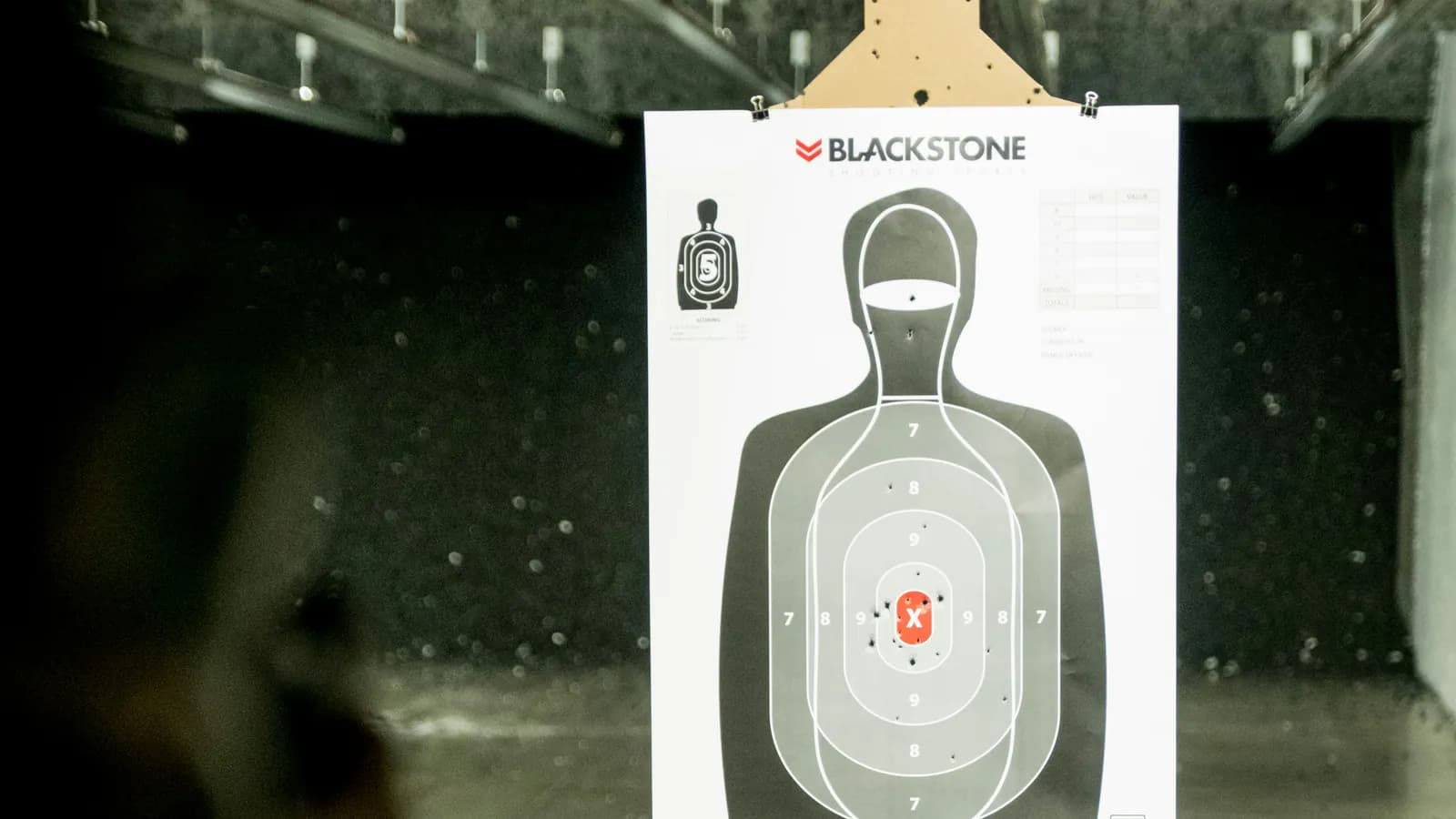
Zeroing
Zeroing Distances Explained: 10, 25, 36, 50, and 100 Yards
A reference on which zero distance to pick, for pistols and rifles. What each one is for, where the bullet crosses, who it suits, and how each one fails.
Read the article
Age verification
Outlaw Valley Tactical sells optics and accessories intended for adults. You must confirm that you are 18 or older to enter this site.
By entering you agree to our Terms of Service and Privacy Policy.
NEW PRODUCTS ADDED!
Four parts, in the order they matter. What to buy first, what to skip until later, and the mistake almost every first time buyer makes with the budget.
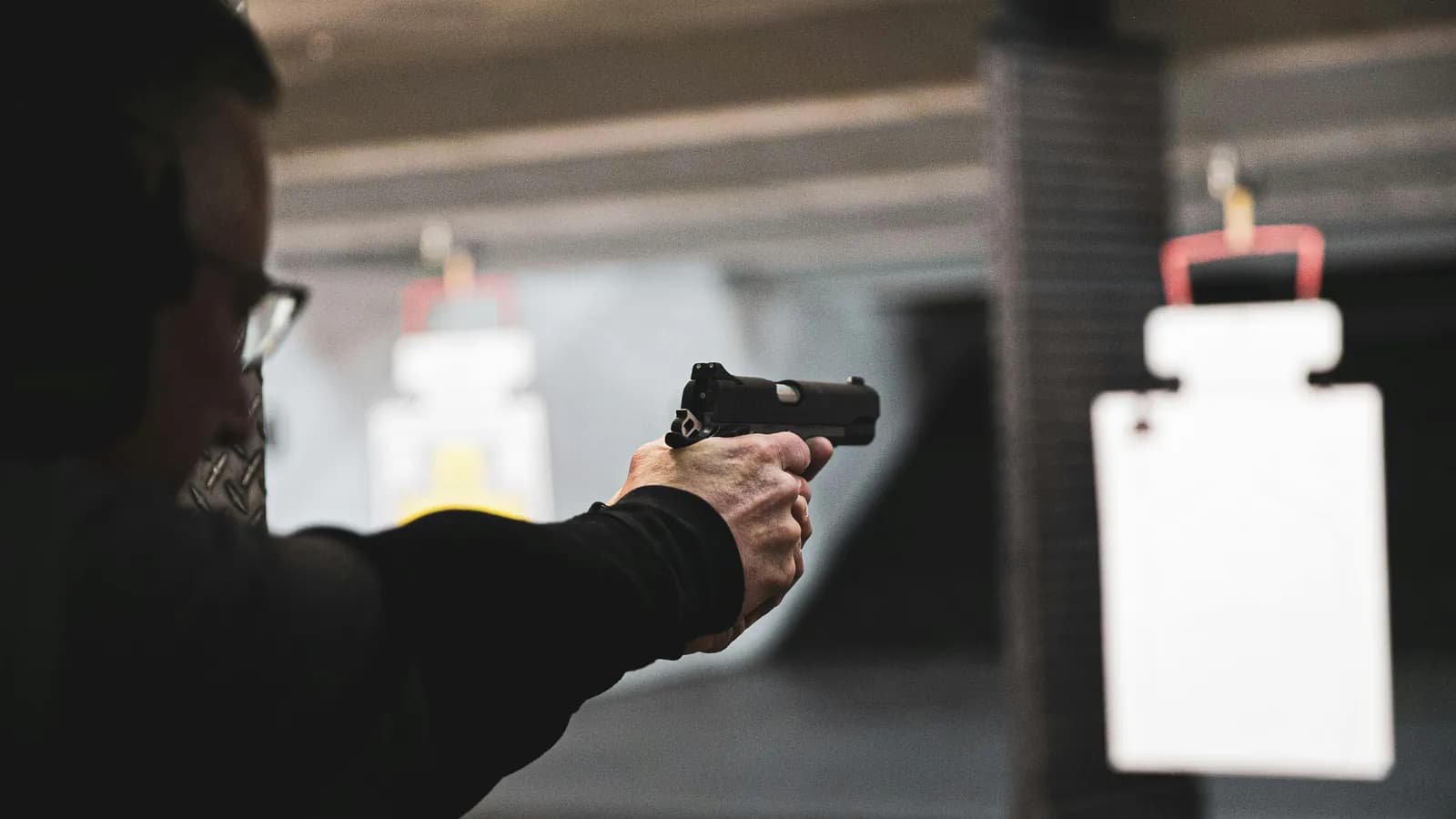
A first handgun is rarely one purchase. It is four: the pistol, a sighting system, a light, and a holster. People almost always spend the whole budget on the first one and then wonder why the setup does not work.
Here is how we would spend it instead, and why, in the order the parts actually matter.
For a first defensive handgun, the boring answer is the right one: a striker fired 9mm from a manufacturer that has been making them for decades, in a size that fits your hand and your intended use.
What to ignore on a first gun: exotic calibers, unusual manuals of arms, anything with a small aftermarket, and anything a forum told you was clever.
Iron sights work. A pistol red dot works better for most people once they have learned to find it, because a dot lets you keep your eyes on the threat instead of on the front sight, and because it is far easier for aging eyes.
The two things beginners get wrong:
If you are new to shooting entirely, there is a reasonable argument for learning on irons for a few range trips first, so you build a grip and a trigger press before you add a dot that will show you every mistake you make. Browse optics when you are ready, and read how to zero a red dot before you mount one.
Optics
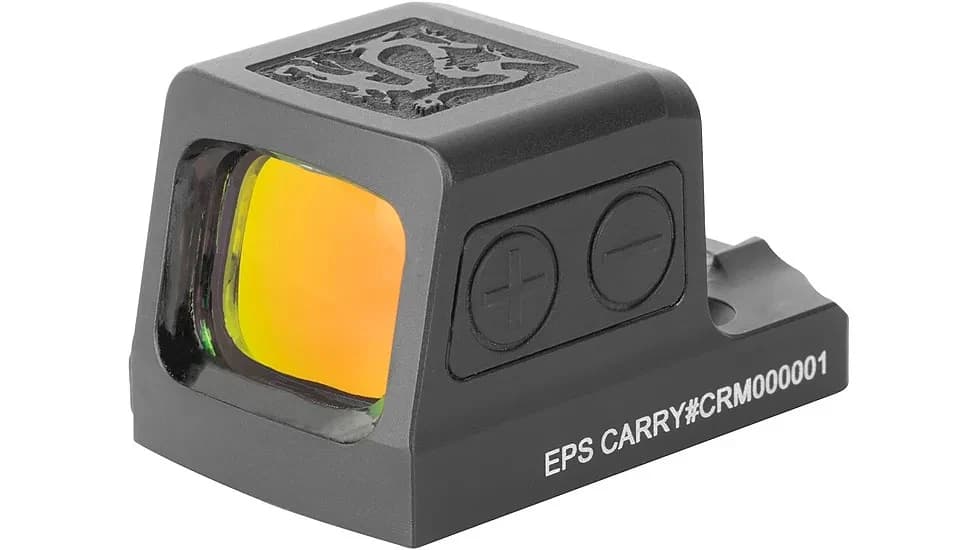
Holosun Ronin Carry Enclosed 1x Green Dot Sight RONIN-EPS-CARRY-GR-Multi Reticle
$396.62
A weapon light is not a tactical accessory. It is how you identify what you are pointing at in the dark, and the dark is the condition in which you are least able to make that decision and least able to afford getting it wrong. If the gun is for home defense, the light is not optional.
A separate handheld light is worth owning too, because a weapon light only points where the gun points, and there are a lot of things you want to look at without aiming a firearm at them.
Choosing between models comes down to output, beam intensity, mounting, and how the switch feels in your hand. We wrote the whole thing up in the weapon light buyer's guide, and the current stock lives in lights and lasers.
Lights & Lasers
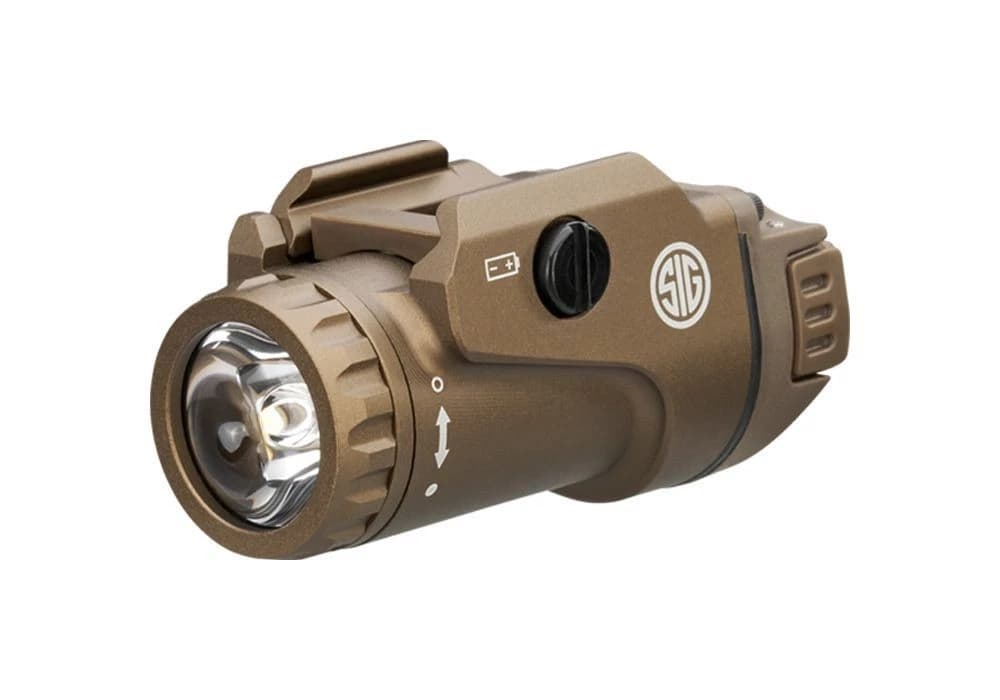
SIG SAUER FOXTROT1X Weapon Mounted Light SOF12001 450 Lumens – FDE
$97.49
This is where beginners lose the most money, because they buy three cheap holsters before buying the one that works. Buy the right one first.
Almost every first time buyer spends everything on the pistol and nothing on the rest. A more useful way to think about it: the pistol is roughly half of what you are about to spend, and the other half is a light, an optic or good sights, a holster and belt, secure storage, and several hundred rounds of ammunition to actually learn with.
If the whole budget only covers the pistol, buy a less expensive pistol. A modest gun you have shot a thousand rounds through beats an expensive one you have shot fifty rounds through, every single time.
Do not forget
Secure storage, from day one. A lock box or a quick access safe is part of the purchase, not an upgrade you get to later. So is eye and ear protection, and enough ammunition to practice with rather than just to load with.
Gear is the easy half. The parts that decide whether you can actually use this thing are grip, trigger press, and repetitions, and none of them come in a box.
Our lessons cover exactly this: a first range day for new shooters, and fundamentals work for people who own the gear and have never been coached on it. In person around Phoenix, or live online if you are somewhere else. Or start with the first time gun buyer checklist if you have not bought anything yet.
Keep reading
A reference on which zero distance to pick, for pistols and rifles. What each one is for, where the bullet crosses, who it suits, and how each one fails.
Read the article
The questions to answer before you spend anything, how the paperwork actually works, what ships to your door versus to a dealer, and what to do in the first month after you buy.
Read the articleThe highest return training available costs nothing and takes ten minutes. Here is the safety protocol that has to come first, then the drills that actually build skill.
Read the article