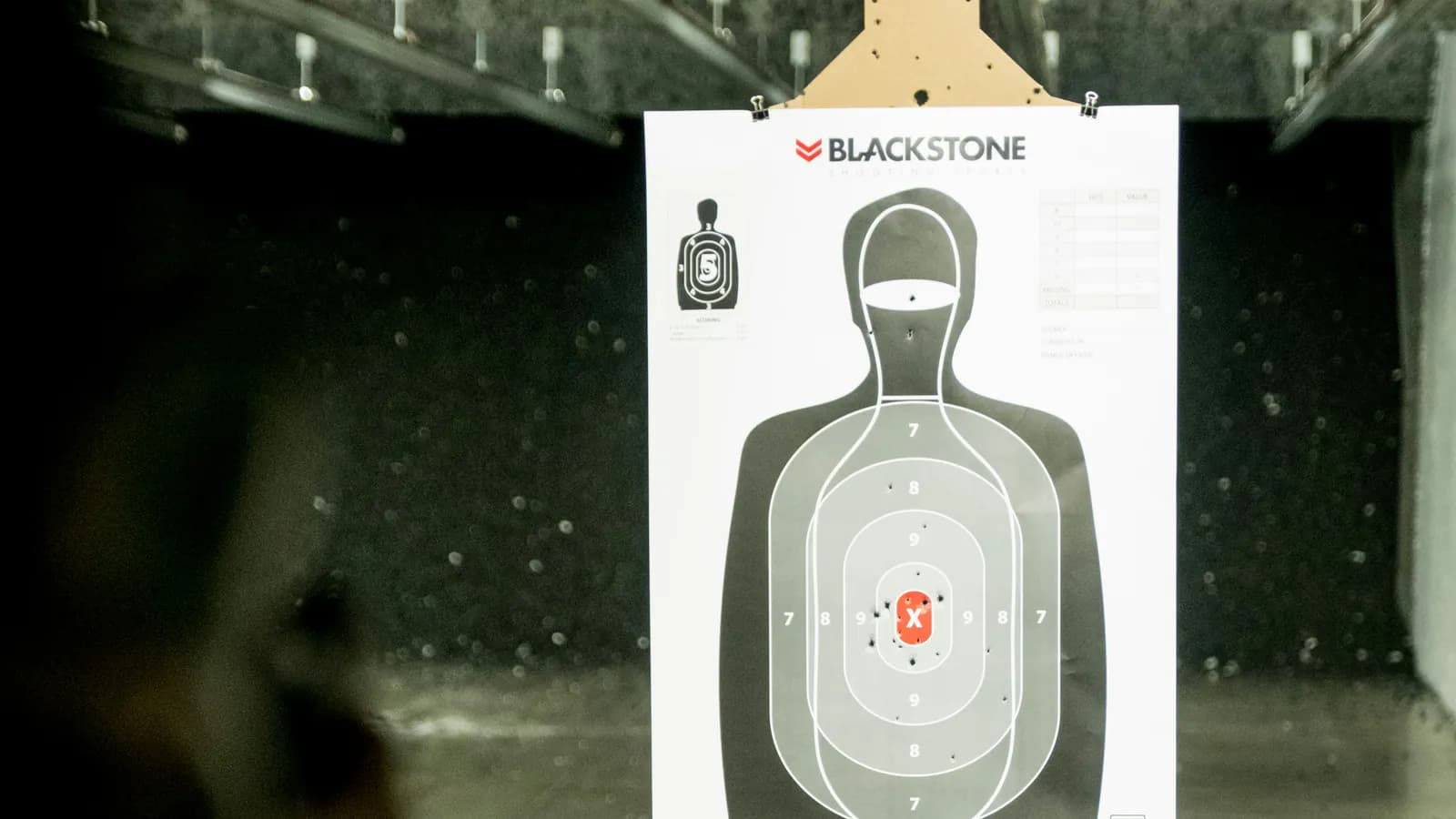
Zeroing
Zeroing Distances Explained: 10, 25, 36, 50, and 100 Yards
A reference on which zero distance to pick, for pistols and rifles. What each one is for, where the bullet crosses, who it suits, and how each one fails.
Read the article
Age verification
Outlaw Valley Tactical sells optics and accessories intended for adults. You must confirm that you are 18 or older to enter this site.
By entering you agree to our Terms of Service and Privacy Policy.
NEW PRODUCTS ADDED!
Desert summer changes the range day, the ammunition, and the glass. Here is what actually happens at temperature and how to plan a session that ends well.
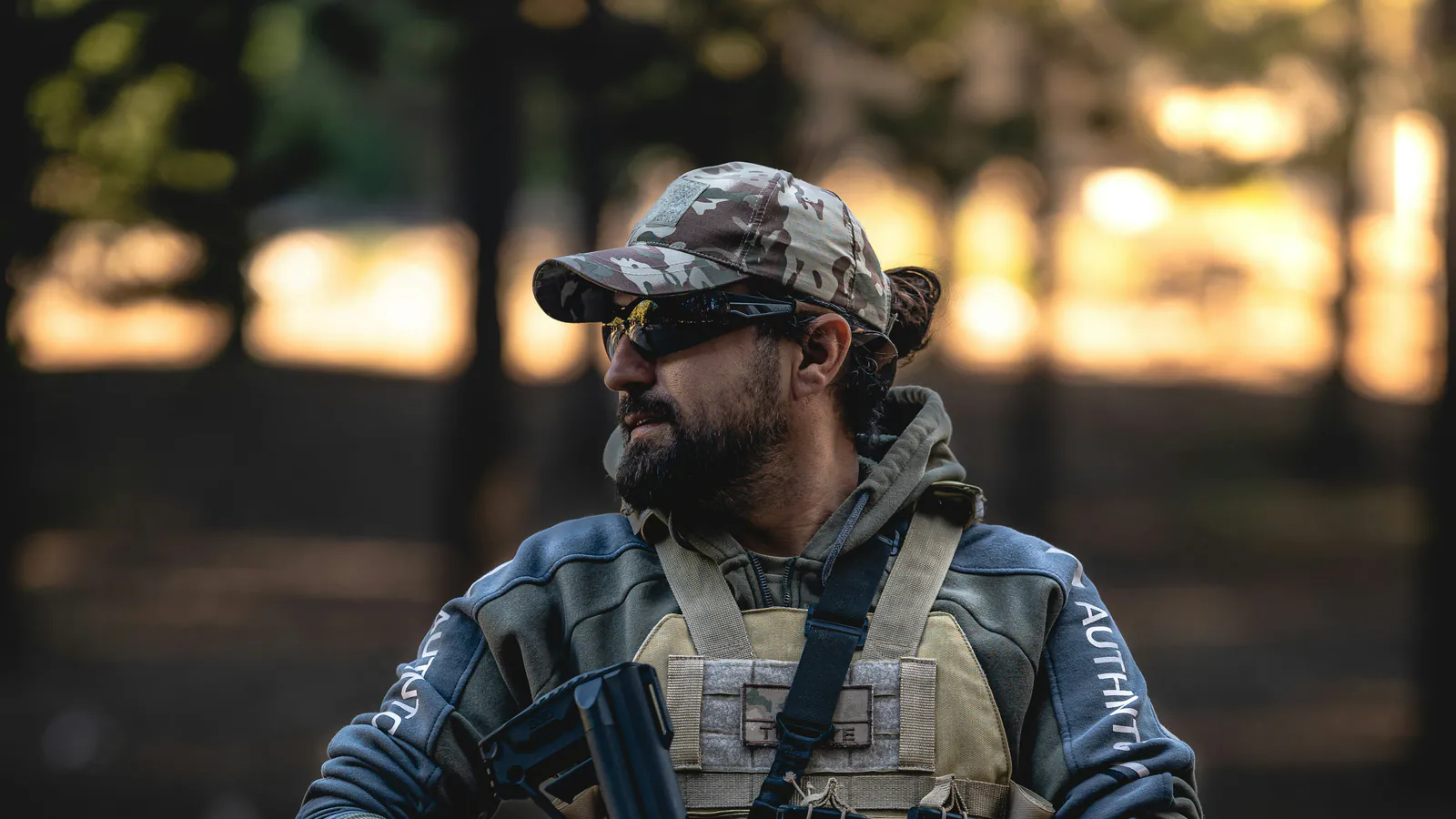
Everybody who moves here gets told it is a dry heat. That is true, and it is also the least useful thing anyone will tell you, because dry heat is exactly what makes an Arizona summer dangerous. The sweat evaporates before you notice it, so the feedback loop that normally tells you to stop is missing, and you are a lot further along than you think.
A summer range day here is a different activity from a summer range day anywhere else. It affects you, the ammunition, the optic, and what you can see through the optic. None of that is a reason not to go. It is a reason to plan the trip rather than just leave the house.
The obvious version is that it is uncomfortable. The real version is that heat degrades judgement and fine motor control long before it degrades anything dramatic, and shooting is a judgement and fine motor activity. Groups open up. Trigger control gets sloppy. People get impatient with a malfunction and start doing things with a loaded firearm that they would never do in November.
The equipment gets worse too. Steel, barrels, brass on a hot bench, and anything you set on the tailgate all become burn hazards. Sunscreen and sweat get onto glass. Everything takes longer and everything is more annoying, which is exactly the condition under which people cut corners. Plan for a shorter session than you would in November, and plan it so the valuable work happens first.
The single biggest change you can make is not gear. It is when you go.
Ammunition is a chemical system, and chemical systems care about temperature. In general terms, propellant burns faster and produces higher pressure as it gets hotter. A load already near the top of its pressure window in mild conditions has less margin on a hot day, and that shows up as heavier extraction, more felt recoil, and a different point of impact than the same box gave you in winter.
Practical rules:
An optic is a precision assembly of metal, glass, adhesive, and electronics, and every one of those behaves differently at temperature.
On a hot day the air over the ground is not a uniform medium. It is layers at different temperatures moving past each other, and light bends through them. That is mirage, and through magnification it looks like the target is boiling, swimming, or floating above where it is.
If you are chasing a precise zero and the air is boiling, you are not measuring your rifle any more. Come back in the morning and read how to zero a red dot sight for a session structure that does not waste ammunition.
Desert dust is fine, abrasive, and gets everywhere. The most common way people damage an expensive lens is not dropping it. It is wiping grit across a coated surface with a shirt tail. The order that does not scratch things:
The rest is prevention: keep flip caps closed between strings, keep the lens cloth in a sealed bag rather than loose where it collects grit, and keep a small cleaning kit in your accessories pouch permanently so you are never improvising with a sleeve.
Long exposure in clear desert air adds up fast. A wide brim hat, long sleeves in a light technical fabric (genuinely cooler than bare arms in direct sun), and sunscreen reapplied through the session are the basics.
Two shooting specific notes. Sunscreen on your hands transfers to lenses and to the inside of eye protection, so apply it before you handle glass and wipe your hands afterward. And eye protection here is doing two jobs at once, impact and glare, so tinted safety glasses rated for impact are the right answer, with a clear spare if the session runs late.
If the plan involves driving out onto public land rather than to a staffed range, the vehicle is safety equipment. Full fuel, a spare tire you have physically checked, a jack that works on the surface you will be on, recovery gear, and extra water beyond what you plan to drink. Tell someone where you are going and when you expect to be back, because cell coverage disappears quickly out there.
A decent fixed blade from knives belongs in that kit alongside the tools, because it solves the problem you did not anticipate. For where you can and cannot legally set up, read where to shoot near Phoenix and confirm current access with the managing agency first.
The short version
Go at first light, hydrate the day before, keep ammunition and optics out of a hot vehicle, expect zero and mirage to work against you at temperature, blow dust off glass before anything touches it, and decide in advance what ends the day. Then actually leave when it does.
Summer is a good season for the things that do not require a long range day: dry practice at home, a short focused morning session with a specific goal, and finally fixing whatever piece of gear you have been tolerating. Browse optics and accessories if the desert has exposed a weak link, which it usually does within a season.
And if you want an hour of structured work instead of a long unfocused one, our lessons run in person around Phoenix and live over video. In summer the online sessions are the more comfortable option for anything that does not require live fire.
Keep reading
A reference on which zero distance to pick, for pistols and rifles. What each one is for, where the bullet crosses, who it suits, and how each one fails.
Read the article
The questions to answer before you spend anything, how the paperwork actually works, what ships to your door versus to a dealer, and what to do in the first month after you buy.
Read the articleThe highest return training available costs nothing and takes ten minutes. Here is the safety protocol that has to come first, then the drills that actually build skill.
Read the article